Editorial Board
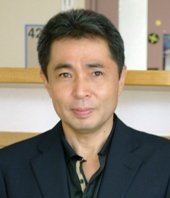
Tosiaki Miyati
Deputy director
Faculty of Health Sciences
Institute of Medical, Pharmaceutical and Health Sciences
Kanazawa University
Kanazawa, Japan
Biography
Dr. Miyati completed his Doctor of Engineering degree at Gifu University in 2002, focusing on the development of imaging and analytical methods and the evaluation of image quality in magnetic resonance imaging (MRI). He subsequently earned a Doctor of Medical Science degree from Nagoya City University in 2007, with research on the noninvasive MRI assessment of intracranial compliance in idiopathic normal pressure hydrocephalus.
Dr. Miyati has served at Kanazawa University as an Assistant Professor (2000–2004), Associate Professor (2004–2007), Full Professor (2007–present), and Deputy Director (since 2014). During this time, he has focused on the development and evaluation of noninvasive biofunctional imaging and analytical methods in MRI, including studies of brain hemodynamics, hydrodynamics, and biomechanics.
He has also been the Manager of the Wellness Promotion Science Center at Kanazawa University since 2008, where he investigates applications of neuro-MRI in health sciences.
Dr. Miyati is a member of several academic societies, including the International Society for Magnetic Resonance in Medicine, the American Association of Physicists in Medicine, and the Japanese Society for Magnetic Resonance in Medicine, and has held key positions within these organizations.
He has authored 26 books and more than 330 journal articles, received 23 scientific awards, and delivered over 140 invited lectures in the field of MRI.
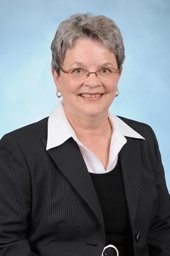
Linda Hershey
Professor of Neurology
Director, OU Dementia and
Behavioral Neurology Clinic
Department of Neurology
University of Oklahoma
Oklahoma City, USA
Biography
Dr. Hershey received her Ph.D. in Pharmacology and Neurobiology from Washington University in St. Louis in 1973, followed by her M.D. from the same institution in 1975. She completed her medical internship at St. John’s Mercy Medical Center in St. Louis and a residency in Neurology at Barnes Hospital in St. Louis. She then completed a Clinical Pharmacology fellowship at Strong Memorial Hospital in Rochester, New York.
While serving on the faculty at the University at Buffalo, she was Chief of Neurology at the VA Western New York Healthcare System from 1986 to 2010. She has been consistently recognized in the Best Doctors in America list since 2003 and received the Neurology Residents’ Faculty Teaching Award at the University at Buffalo in 2007. She served as a Senior Examiner for the American Board of Psychiatry and Neurology (ABPN) oral boards from 1988 to 2012. She is a Fellow of the American Academy of Neurology (AAN), the American Neurological Association (ANA), and the American Heart Association (AHA).
In 2010, she joined the University of Oklahoma as Professor of Neurology and Director of Dementia and Behavioral Neurology, where she holds the Ethelyn McElwee Endowed Chair in Alzheimer’s Disease Research.
Her work involves collaboration with students, residents, and multidisciplinary researchers across fields such as biochemistry, nursing, psychology, neuropsychology, epidemiology, and occupational therapy. She is actively involved in conducting clinical trials, case-control studies, and biomarker research focused on Alzheimer’s disease, mild cognitive impairment, dementia with Lewy bodies, and progressive supranuclear palsy.
She also serves on the editorial board of the journal Neurology.

Tiansheng Sun
Professor
Vice president
Chair of orthopedic department
Beijing Military General Hospital, China
Biography
Dr. Tiansheng Sun is the Vice President of Beijing Military General Hospital, Chair of the Department of Orthopedics, and a Professor and Doctoral Supervisor. He is a recipient of special allowances from the State Council of China.
He graduated from the First Military Medical University and trained under the renowned orthopedic specialist Professor Xu Shaoting. He has extensive experience in both basic and clinical research in orthopedics.
Dr. Sun has led more than 10 research projects, including one international collaboration, four national-level projects, and six key projects supported by military and Beijing municipal funding, with total funding exceeding 500 million.
He has published over 170 papers as a first or corresponding author, including 17 SCI-indexed articles, and has authored eight books. He has received 10 scientific awards, including the Science and Technology Award from the Ministry of Education, five Military Science and Technology Progress Awards, two Beijing Science and Technology Progress Awards, and one Chinese Medical Award.
Research Interests
Spinal cord injury, including its pathology, war-related injuries, electrophysiology, and hyperbaric oxygen therapy; and damage control surgery (DCO), encompassing a range of basic and clinical studies.
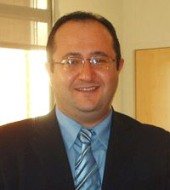
Ilker Kudret Sariyer
Assistant Professor
Neuroscience
Temple University School of
Medicine
Philadelphia, USA
Biography
Dr. Ilker Kudret Sariyer is an Assistant Professor (tenure-track) in the Department of Neuroscience at the Center for Neurovirology, Temple University School of Medicine, Philadelphia, USA.
His research focuses on understanding the molecular mechanisms of JC virus reactivation in immunocompromised individuals, identifying novel biomarkers for early detection of viral reactivation, and developing therapeutic interventions for the treatment of progressive multifocal leukoencephalopathy (PML), a fatal demyelinating disease of the brain caused by the JC virus.
Giuseppe Lanza
U.O.C. Neurology IC,
Institute for Research on Mental Retardation and Brain Aging (I.R.C.C.S.),
“Oasi Maria SS.",
Troina (ITALY).
Research Interests:
Cerebrovascular diseases, vascular-related cognitive impairment, neuropsychiatric disorders, clinical neurophysiology, transcranial magnetic stimulation (TMS), and, more recently, sleep disorders and gluten-related neuropathology.
Biography:
Dr. Lanza was born in Catania, Italy, in 1982. He is currently a Consultant Neurologist and Clinical Researcher at the Department of Neurology, I.C., of the Oasi Institute for Research on Mental Retardation and Brain Aging (IRCCS) in Troina, Italy, a Collaborating Centre of the World Health Organization (WHO) for Research and Training in Neuroscience.
He graduated with honours in Medicine in 2007 and subsequently trained at the School of Neurology at the University of Catania, where he is currently a PhD student. He specialized in cerebrovascular diseases and neurosonology at the Stroke Unit of Sant’Andrea Civic Hospital in La Spezia, Italy.
As a visiting clinical research fellow, he further trained at the Department of Clinical Neurophysiology at the Royal Victoria Infirmary and at the Department of Neuroscience, Newcastle University, in Newcastle upon Tyne, UK.
In 2013, he was selected for one of six scientific fellowships promoted by the European Federation of Neurological Societies (EFNS), with a project titled: “Visual hallucinations in dementia with Lewy bodies: a combined TMS/EEG study.”
Since October 2015, he has been teaching Neurology as an Assistant Professor at Kore University of Enna, Italy.
He has co-authored approximately 60 publications in international peer-reviewed scientific journals and conference proceedings. He also serves as an Editorial Board member and invited reviewer for several international journals.

Francesco Brigo
Department of Neurology,
Franz Tappeiner Hospital,
Meran, Italy.
Research Interests:
Epidemiology
Epilepsy
Evidence-Based Medicine
Biography:
I have a broad background in clinical epidemiology, neurology, and epilepsy, with specific training and expertise in key research areas relevant to this application.
As a neurologist with expertise in clinical epidemiology and research methodology, I have conducted several original studies and systematic reviews, primarily focusing on neurophysiology (including Transcranial Magnetic Stimulation, fMRI, and EEG) and clinical pharmacology in epilepsy.
I am the primary author or co-author of more than 100 scientific publications, including systematic reviews with meta-analyses, conference proceedings, and full-length articles published in international peer-reviewed journals.
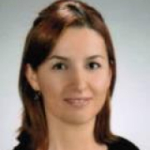
Asuman Celikbilek
Associate Professor of Neurology,
Department of Neurology,
Bozok University School of Medicine.
Research Interests:
Migraine, vertigo, and diabetic neuropathies. Her current research focuses on migraine and cognition.
Biography:
Asuman Çelikbilek graduated with her MD from Ankara University Faculty of Medicine, Ankara, Turkey, in 2003. She completed her neurology residency in the Department of Neurology at Başkent University, Ankara, Turkey, in 2009.
She has been working at Bozok University, Yozgat, Turkey, since 2012. She has served as an Associate Professor in the Department of Neurology at Bozok University since 2015.
Dr. Çelikbilek received the 3rd Neurology Qualification Course Participation and Achievement Certificate in Ankara in 2008. She also successfully passed the examination conducted by the Turkish Sleep Medicine Association and received certification in Ankara in 2010.
She is a member of the Turkish Neurological Society and the Turkish Sleep Medicine Association.
Since 2012, she has completed three scientific research projects at Bozok University. One project, on the measurement of vitamin D levels in migraine patients, was conducted as a project manager. The other two projects—focused on determining serum levels of S100B and GFAP in diabetic neuropathy, and evaluating expression levels of NSE and NFL genes in prediabetic neuropathy—were conducted as an assistant researcher.
Dr. Çelikbilek has published approximately 30 articles in peer-reviewed international journals and has presented around 30 conference papers and posters at national and international meetings.
Her research primarily focuses on migraine, vertigo, and diabetic neuropathies, with a current emphasis on the relationship between migraine and cognition.
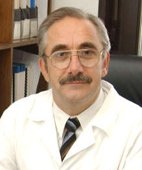
Dr. László Vécsei
Professor and Director,Department of Neurology,University of Szeged,Albert Szent-Györgyi Medical & Pharmaceutical Center,Faculty of General Medicine,Szeged, 6701-Hungary.
Biography:
Dr. László Vécsei is a Professor in the Department of Neurology at the University of Szeged, Hungary. He began his scientific career over forty years ago in the field of neuropharmacological and behavioral investigations of various neuropeptides, working together with Gyula Telegdy in Szeged.
Their research focused on the effects of vasopressin on the catecholaminergic system, and they were the first to demonstrate that somatostatin facilitates learning and memory processes in rodents. They also examined the behavioral effects of newly characterized hypothalamic neuropeptides, such as H-Phe-Ile-Tyr-His-Ser-Tyr-Lys-OH, which was isolated by Andrew Victor Schally (Nobel Laureate, 1977).
In collaboration with Rolf Ekman (Lund University), Dr. Vécsei investigated migraine patients and measured cerebrospinal fluid (CSF) concentrations of various neuropeptides, including somatostatin, CGRP, and beta-endorphin. More recently, in collaboration with scientists from the University of Pécs, his team identified alterations in PACAP levels during migraine attacks.
Dr. Vécsei began his work on the kynurenine system in 1989 in collaboration with M. Flint Beal (Massachusetts General Hospital, Harvard Medical School, Boston). More recently, together with his colleagues in Szeged, he was among the first to report that the kynurenine system may play a role in migraine.
Furthermore, his team patented a newly synthesized kynurenic acid analogue (SZR-72), which was shown to inhibit the development of clinical symptoms and increase survival in transgenic mouse models of Huntington’s disease.
Expertise:
Dr. László Vécsei’s main professional interests include clinical neurology, extrapyramidal disorders, headache, multiple sclerosis, neuropharmacology, the pathomechanisms of neurodegeneration, and the role of kynurenines.
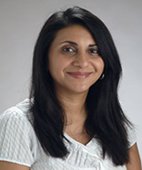
Dr. Brenda Hanna-Pladdy
Associate Professor,Department of Neurology,Department of Diagnostic Radiology & Nuclear Medicine & Psychiatry,University of Maryland School of Medicine,110 South Paca Street 3rd Floor,Baltimore Maryland,USA.
Biography:
Dr. Brenda Hanna-Pladdy is an Associate Professor of Neurology, Diagnostic Radiology and Nuclear Medicine, and Psychiatry at the University of Maryland School of Medicine. She is a clinical neuropsychologist and a member of the Division of Movement Disorders within the Department of Neurology.
She obtained her Ph.D. from Louisiana State University and completed her postdoctoral fellowship in neuropsychology under the direction of Kenneth Heilman, MD, in the Department of Neurology at the University of Florida McKnight Brain Institute.
Prior to her current appointment at the University of Maryland, Baltimore (UMB), she held faculty positions in the Department of Neurology at Emory University; the Department of Psychiatry and the Landon Center on Aging at the University of Kansas School of Medicine; and in the Cognitive Neurology & Alzheimer’s Disease Center and the Department of Psychiatry at Northwestern University Feinberg School of Medicine.
Dr. Hanna-Pladdy serves on several editorial boards and is an ad hoc reviewer for numerous journals and grant organizations.
Expertise:
Dr. Brenda Hanna-Pladdy’s research program focuses on the cognitive aspects of skilled movement disorders. Her work has included studies on mild cognitive impairment in Parkinson’s disease (PD), implicit learning, and apraxia following left-hemisphere stroke.
She has conducted extensive research on the cognitive aspects of Parkinson’s disease and the neural substrates of apraxic disturbances, utilizing a combination of behavioral and neuroimaging techniques. Her studies have examined cognitive and skilled movement deficits in PD, including executive dysfunction, as well as neural mechanisms involving dopaminergic systems using raclopride and FDG PET imaging.
Dr. Hanna-Pladdy has also explored the role of dopaminergic modulation in cognitive aspects of skill acquisition in Parkinson’s disease, including planning and the use of internal versus external cues.
She currently leads federally funded research investigating neuroplasticity and functional recovery following stroke, as well as the neural basis of neurorehabilitation programs that utilize multisensory cues. Her more recent work examines how training-induced musical instrument practice may enhance multisensory networks and provide compensatory mechanisms in older adults.