Editorial Board
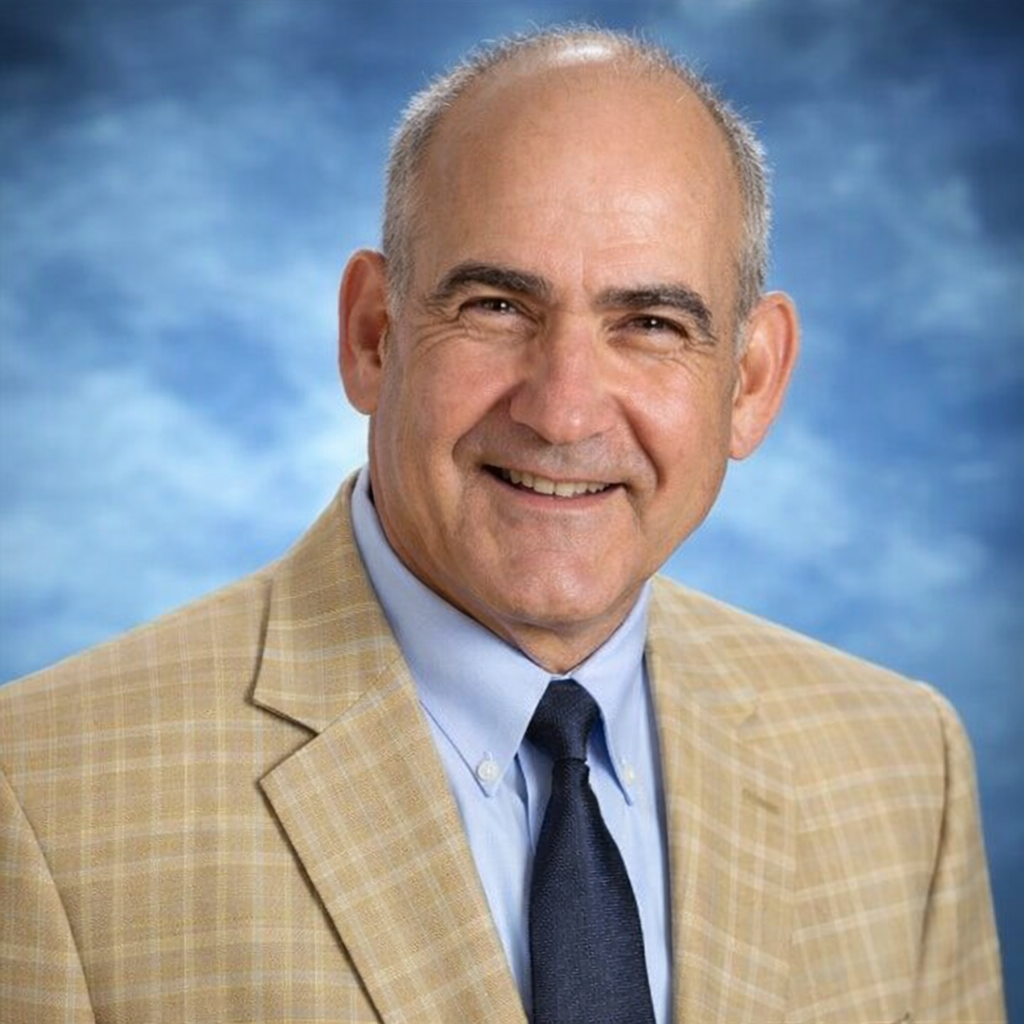
Abdelwahab Omri
Professor of Chemistry and Biochemistry, Laurentian University, Ontario, Canada
E-mail: aomri@laurentian.ca, aomri@nosm.ca
Dr. Abdel Omri obtained his PhD from Université de Montréal in 1996. After completing postdoctoral fellowships at McGill University and the University of Toronto (1996–1998), he spent more than two years as a Research Associate at the National Research Council (NRC), Institute of Biological Sciences in Ottawa, from 1998 to 2000.
Dr. Omri is currently a Full Professor in the Department of Chemistry and Biochemistry, with cross-appointments in the Department of Biology, the Biomolecular Sciences PhD Program, and the School of Rural and Northern Health PhD Program.
His research interests focus on lipid-based drug and vaccine delivery systems. His laboratory employs a multidisciplinary approach to address antimicrobial resistance in gram-negative bacteria, particularly in cystic fibrosis patients and in medical device implants.
Dr. Omri is also actively involved in undergraduate and graduate education, coordinating several courses in biochemistry, pharmacology, toxicology, and pharmaceutical technology. In addition to his teaching responsibilities, he is deeply engaged in the research training of both undergraduate and graduate students.
He has served in administrative roles in several international scientific societies and has published over 50 peer-reviewed research articles on various aspects of drug delivery and targeting. He has also authored several book chapters and two books.
Dr. Omri has served on numerous editorial boards and granting agencies in Canada and internationally. He is the holder of two patents.

Wenwen Zhao
Department of Pharmacy
China Pharmaceutical University
China
I completed my D.Phil. in Biomedical Sciences from the University of Macau, Macao SAR, China, and a Master’s degree in Pharmacy (M.Sc.) from China Pharmaceutical University, China. My professional affiliations include serving as a Youth Editor for Chinese Medicine and Chinese Pharmacology Bulletin, and as a Special Issue Editor for Nanomaterials.
My research interests focus on the mechanisms of various forms of cell death, including ferroptosis, autophagy, and necroptosis. I have published 20 papers as a first or corresponding author, including four highly cited papers, six in JCR Q1 journals, and ten in JCR Q2 journals.
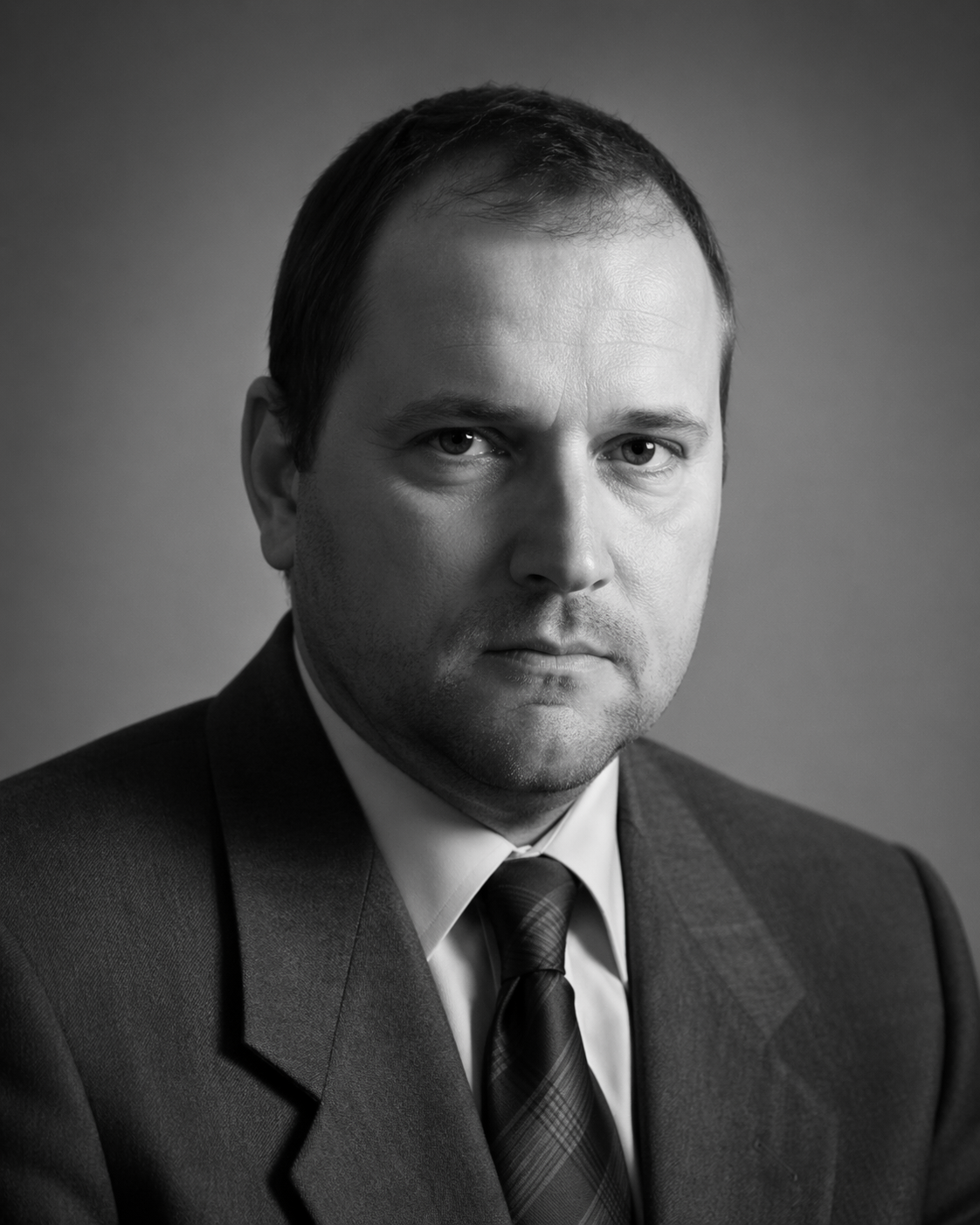
Peter Mikus
Director of Toxicological and Antidoping Center
Head of Department of Pharmaceutical Analysis and Nuclear Pharmacy
Faculty of Pharmacy
Comenius University
Peter Mikus received his M.Sc. in Analytical Chemistry in 1995 from the Faculty of Natural Sciences, Comenius University in Bratislava, Slovak Republic. He earned his Ph.D. in Analytical Chemistry from the same faculty in 2002 under the supervision of Prof. Dr. Dusan Kaniansky, an expert in the instrumental development of capillary electromigration techniques.
During his Ph.D. studies, in 1997, Peter Mikus joined the Consiglio Nazionale delle Ricerche, Istituto di Cromatografia in Rome, Italy, where he conducted research under the supervision of Prof. Dr. Salvatore Fanali, a specialist in advanced methodologies and applications of chiral capillary electromigration methods.
Since 2002, he has been working at the Faculty of Pharmacy, Comenius University (FP CU), as a teacher and research scientist. He obtained his Associate Professor qualification in Pharmaceutical Chemistry from the same faculty in 2007.
Currently, he serves as an Associate Professor. Since 2010, he has been the Head of the Department of Pharmaceutical Analysis and Nuclear Pharmacy at FP CU, and since 2012, he has been the Director of the Toxicological and Antidoping Center at FP CU. His work focuses on the implementation of innovative analytical methods in advanced pharmaceutical and biomedical research.
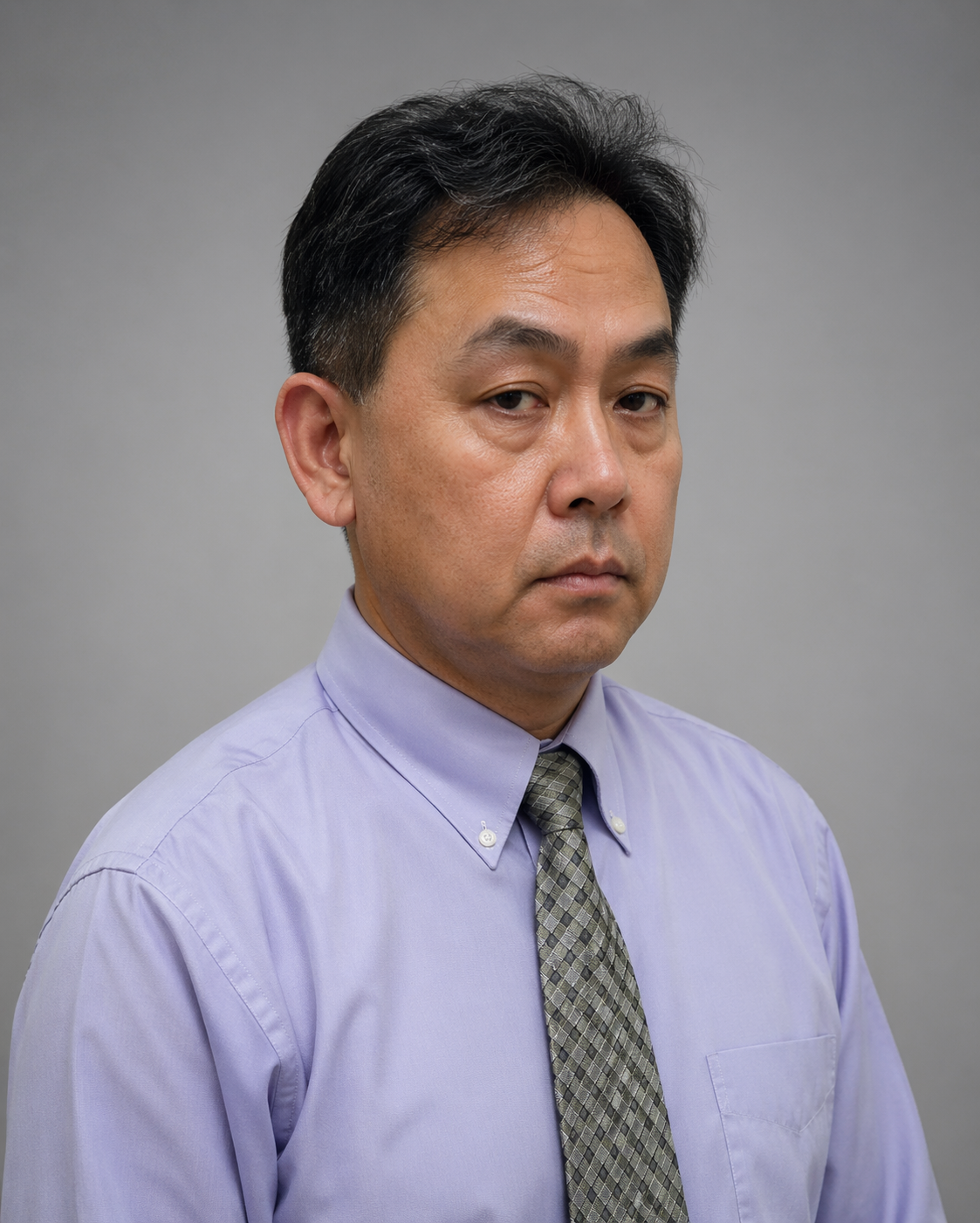
Kurosu Michio
Professor
Department of Pharmaceutical Sciences
University of Tennessee Health Science Center USA
Biography
Dr. Kurosu has a long-term interest in the development of new antibacterial agents targeting novel or unexploited drug targets. To develop novel antibacterial molecules, he designs concise synthetic routes for relatively complex compounds, develops chiral molecules, and generates small, optimized libraries. He also develops convenient assays for target enzymes of interest. These efforts have led to the discovery of several new drug leads effective against multidrug-resistant (MDR) Gram-positive pathogens, including MDR Mycobacterium tuberculosis. Over the past 10 years, he has studied the electron transport system, menaquinone biosynthesis, unexploited peptidoglycan biosynthesis pathways, and bacterial kinases.
Research Interests
Synthesis and biological evaluation of biologically active natural products, rational drug design, bioorganic chemistry, development of enzymatic assays for small molecules, and new chemical tools.
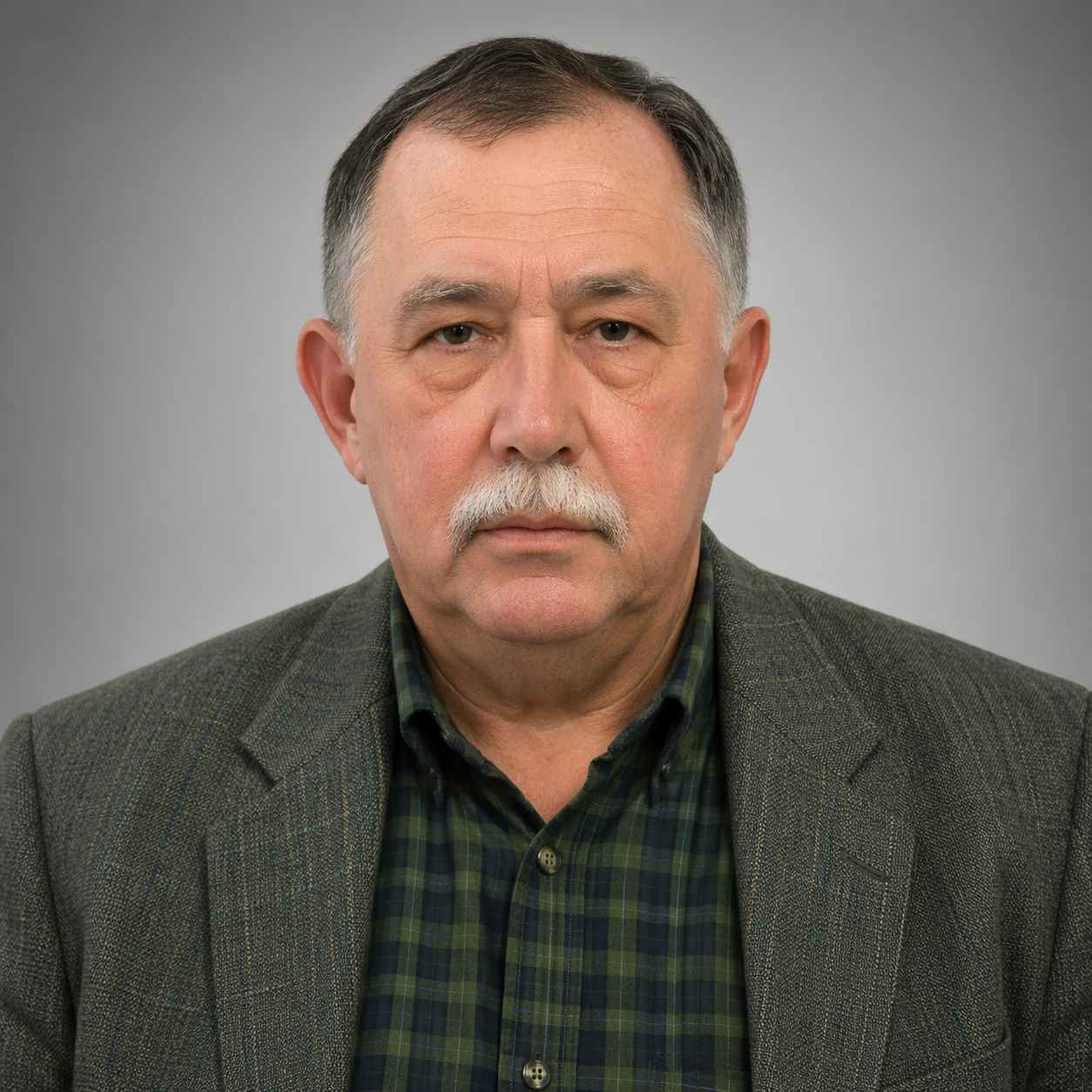
Vladimir P Torchilin
Professor
Department of Pharmaceutical Sciences
Northeastern University
USA
Biography
Vladimir P. Torchilin is a University Distinguished Professor and Director of the Center for Pharmaceutical Biotechnology and Nanomedicine at Northeastern University, Boston. He graduated from Moscow University with an M.S. in Chemistry and obtained his Ph.D. and D.Sc. in Polymer Chemistry and Chemistry of Physiologically Active Compounds in 1971 and 1980, respectively.
In 1991, Dr. Torchilin joined Massachusetts General Hospital/Harvard Medical School as Head of the Chemistry Program at the Center for Imaging and Pharmaceutical Research and served as Associate Professor of Radiology. Since 1998, he has been affiliated with Northeastern University. He served as Chair of the Department of Pharmaceutical Sciences from 1998 to 2008.
His research interests include drug delivery and targeting, as well as pharmaceutical nanocarriers. He has published more than 350 original research articles and over 150 review papers and book chapters. He has also authored and edited 10 books, including Immobilized Enzymes in Medicine, Targeted Delivery of Imaging Agents, and Liposomes. In addition, he holds more than 40 patents.
He is Editor-in-Chief of Current Drug Discovery Technologies and Drug Delivery, and serves on the editorial boards of several journals, including Journal of Controlled Release (Review Editor), Bioconjugate Chemistry, and Advanced Drug Delivery Reviews.
Among many honors, Professor Torchilin received the 1982 Lenin Prize in Science (the highest scientific award in the former USSR). He is a member of the European Academy of Sciences and a Fellow of AIMBE, AAPS, and CRS. He has received numerous awards, including the 2005 Research Achievements in Pharmaceutics and Drug Delivery Award from AAPS, the 2007 Research Achievements Award from the Pharmaceutical Sciences World Congress, the 2009 AAPS Journal Award, the 2009 International Journal of Nanomedicine Distinguished Scientist Award, the 2010 CRS Founders Award, and the 2012 Alec Bangham Award.
He served as President of the Controlled Release Society from 2005 to 2006. In 2011, Times Higher Education ranked him second among the world’s top scientists in pharmacology for the period 2001–2010.
Research Interests
Physiologically active polymers and their use as drug carriers, targeted delivery of therapeutic and diagnostic agents, experimental diagnostic imaging, experimental tumor immunology and therapy, and micellar tumor targeting.
Heidi M Mansour
Department of Pharmaceutics and Pharmaceutical Technology
University of Kentucky
UK
Biography
Dr. Mansour currently holds faculty and graduate appointments at the University of Kentucky (UK) College of Pharmacy and the University of North Carolina at Chapel Hill (UNC-Chapel Hill), and she is a faculty associate of the UK Membrane Center. She serves as a faculty mentor in the UK Engineered Bioactive Interfaces and Devices Program funded by the National Science Foundation Integrative Graduate Education and Research Traineeship (NSF IGERT) Program, as well as the NSF Research Experiences for Undergraduates (NSF REU) Program in collaboration with the UK College of Engineering. She is also a faculty mentor in the National Cancer Institute–Cancer Nanotechnology Training Center (NCI-CNTC).
Previously, she served as an instructor in both the graduate and Pharm.D. programs and as a postdoctoral fellow at UNC-Chapel Hill School of Pharmacy. During this time, she received the 2007 UNC-Chapel Hill Postdoctoral Award for Research Excellence from the Office of the Vice Chancellor and the 2007 AAPS Postdoctoral Fellow Award for Research Excellence, along with other honors and awards.
She earned a B.S. in Pharmacy (with highest honors and distinction) and a Ph.D. in Pharmaceutical Sciences from the University of Wisconsin–Madison. Her doctoral training included a major in drug delivery/pharmaceutics (School of Pharmacy, 2003) and a minor in advanced physical and biophysical chemistry (Department of Chemistry, 1999).
Dr. Mansour serves on the editorial advisory boards of eight journals in drug delivery and nanomedicine. She is also a member of the NIH U.S. Pediatric Formulations Initiative New Drug Delivery Systems Aerosols Working Group and serves as a Delegate to the United States Pharmacopeia (USP). She has authored more than 40 peer-reviewed scientific publications, invited papers, five book chapters, and over 80 abstracts, and is co-editor of a book on nanomedicine drug delivery published by Taylor & Francis/CRC Press. Her research program is supported by federal agencies (NIH, NSF, FDA) and the pharmaceutical industry. She is also an invited speaker at numerous national and international scientific conferences. She leads a multidisciplinary research group that includes postdoctoral scholars, visiting scholars, visiting professors, graduate students, physician-scientist fellows, and undergraduate students.
Research Interests
Her research focuses on targeted nanomedicine; nanoparticle engineering and design of multifunctional lipopolymeric self-assemblies; advanced pulmonary inhalation aerosol nanotechnology delivery systems; targeted pulmonary nanomedicine for the treatment and prevention of pulmonary diseases; and sustained-release depot delivery of biologic drugs using biocompatible and biodegradable polymeric microparticles and nanoparticles.
Farnaz Monajjemzadeh
Department of Pharmaceutical Control and Drug Stability Tabriz
Tabriz University of Medical Sciences
Iran
Biography
Dr. Farnaz Monajjemzadeh received her Pharm.D. and Ph.D. (Pharmaceutics) training at Tabriz University of Medical Sciences, Tabriz, Iran, one of the top-ranked universities in pharmacy in Iran. She completed an occupational trainee course in Australia at the University of Queensland.
She has numerous publications in drug formulation and pharmaceutical control and is experienced in Liquid Chromatography–Mass Spectrometry (LC-MS), DSC, FTIR, HPLC, and optical chemistry. She is an academic member of the Faculty of Pharmacy and was selected as the Best Teacher in 2012 among Iranian medical educators.
Research Interests
Drug stability; drug–excipient interactions; controlled-release drug delivery systems, including nano- and microparticles; bioequivalence studies; nanotechnology; quality control of conventional and biotechnological products; new methods of drug analysis; cosmetics (legislation and control, as well as patient concealment).